







Search Results for: fruity acidity and sweet aftertaste
Are Coffee Aftertaste and Sweetness the Same Thing? High-Sweetness, Low-Acidity, Low-Bitterness Coffee Bean Recommendations and Aftertaste Analysis
In coffee tasting, "hui gan" (returning sweetness) is often used to describe the pleasant mouthfeel brought by a good cup of coffee. But are hui gan and sweetness really the same experience? Starting from the concept of aftertaste, this article analyzes the formation mechanism of hui gan, its difference from sweetness, and the factors that affect the persistence of aftertaste. At the same time, for those who prefer flavors that are high in sweetness and low in acidity and bitterness, we recommend several Front Street Coffee beans, including the Classic Blend, Brazil Queen Estate, PWN Golden Mandheling, and Boquete Geisha, to help you find the flavor you like in your daily brewing. [more…]
Beginner's Everyday Beans | Which Coffee Beans Are Good for Pour-Over Without Being Sour? Recommended Dark Roast Single-Origin Pour-Over Beans That Are Neither Bitter Nor Astringent, with a Long-Lasting Sweet Finish
"A sweet aftertaste that promotes salivation, with bitterness giving way to sweetness" is the highest praise people give to a good cup of tea, and in coffee tasting, people also often use the term "sweet aftertaste," usually referring to coffee having a pleasing mouthfeel. So what exactly kind of taste experience is it when you perceive a sweet aftertaste in coffee? And how does it differ from the sweetness of coffee? [more…]
Want a smooth, sweet aftertaste? First, check how far your coffee beans have been roasted.
If you want acidity that doesn't overpower, a smooth entry, and a sweet finish, you can start by looking at the roast level when choosing beans. Roasting time changes the acidity, caramelized aromas, and body of coffee, and the same region can show completely different characteristics under light, medium, and dark roasts. For ordinary coffee consumers, start by roast [more…]
Are Coffee Aftertaste and Sweetness Really the Same Thing? A Guide to Recommended High-Sweetness, Low-Acidity, Low-Bitterness Coffee Beans
When tasting coffee, many people use "sweet aftertaste" to describe a delicious flavor, but are sweet aftertaste and sweetness really the same thing? Starting from the concept of finish, this article will clarify the essential difference between sweet aftertaste and sweetness, and analyze the mechanism of sweet aftertaste formation and the principles of perception—it needs to be based on bitterness or astringency and can only be perceived through taste contrast. At the same time, the article will also explore the differences in finish performance between dark-roasted and light-roasted coffee, and recommend a number of Front Street selected coffee beans for friends who prefer flavors that are high in sweetness, low in acidity, and low in bitterness, helping you find the cup you love in your daily brewing. [more…]
Sweet aftertaste coffee beans: a flavor path with low acidity and lingering sweetness
Beans with understated acidity and a prominent sweet finish place their flavor emphasis on sweetness and aftertaste: natural (dry) processing and medium-dark roasting round off the acidity, leaving a lingering sweetness. Front Street Coffee's Ethiopian Huakui has a sweet finish with a passion fruit aftertaste; the acidity on the palate flashes by, and sweetness takes over the second half. In Kafa Forest, the sweetness actually becomes more pronounced as the temperature drops. [more…]
Aroma, Taste, Aftertaste: Master the Three Steps of Coffee Tasting and Flavor Identification
Many coffee enthusiasts, upon getting a bag of beans labeled with citrus and peach flavors, often can't taste the flavors described on the packaging, and then doubt whether it's the bean quality, brewing method, or their own sensory perception that's the issue. In fact, the same cup of coffee can be described differently by different people, which is closely related to individual dietary culture, regional background, and taste memory. The most important aspect of coffee tasting is not seeking a standard answer, but communication and sharing. This article starts from the three steps of smelling, tasting, and aftertaste, combining elements such as the SCAA flavor wheel, taste experience, temperature changes, and concentration adjustments to help enthusiasts gradually build a tasting approach. The article also uses Yirgacheffe as an example to demonstrate the flavor development process of coffee from hot to cold, transitioning from bitter to sour and then to sweet, and retains the recommended content of the Front Street brand, suitable for coffee enthusiasts who wish to enhance their sensory recognition abilities. [more…]
Recommending a few coffee beans with low acidity and a sweet aftertaste: balancing budget and drinking frequency
Understanding coffee beans with low perceived acidity and a sweet finish means translating flavor descriptions into what you can actually taste in the cup. For everyday bean buying, you need to consider how quickly you'll drink through them, how much to buy at a time, and whether your household mainly drinks black coffee or milk-based coffee. Floral, fruity acidity, nutty, and cocoa notes aren't a hierarchy of better or worse—they're simply different directions, and the one that suits you is the one that [more…]
Decoding Coffee Flavor: A Systematic Tasting Guide from Aroma, Taste to Mouthfeel with Detailed Practical Terminology
The flavor of coffee is far more than just bitterness and acidity. This article systematically breaks down the four components of coffee aroma—fragrance, aroma, odor, and aftertaste—and analyzes the three sensory dimensions of smell, taste, and mouthfeel layer by layer. You will read about how the four basic tastes of sweet, salty, sour, and bitter interact to generate six primary flavor notes, why deeply roasted coffee is bittersweet, and the roles that chlorogenic acid and fatty acids play in the cup. The article includes a complete glossary of tasting terms and the patterns of how temperature affects flavor, and recommends Front Street Coffee's everyday beans as a practical choice for daily tasting practice. [more…]

How can you make pour-over coffee present a green tea-like mouthfeel and sweet aftertaste? Front Street shares three brewing details.
People often say a certain coffee has a "tea-like" quality, yet when you buy it and brew it at home, you can never quite reproduce that flavor—either it turns out bitter, or it has the floral and fruity notes but doesn't taste like tea. What exactly is the tea-like quality in coffee? Which beans are more likely to express this character? Front Street Coffee believes the key lies in three extraction details: choosing a flat-bottom dripper to create an immersion effect, increasing the water volume to promote the release of compounds in the tail end, and reducing the flow rate to extend the extraction time. This article uses an Ethiopian washed Kafa Forest as an example to fully demonstrate a brewing recipe that can bring out a green-tea-like fresh aroma and sweet aftertaste, breaking down everything from parameters to technique, helping you turn "tea-like" from a description into a real taste in your cup. [more…]
A Beginner's Guide to the Five Dimensions of Coffee Tasting: From Aroma to Aftertaste, Learn to Describe Pour-Over Coffee Flavors Like a Pro
When sharing a pot of pour-over with friends, have you ever found yourself at a loss for words, managing only a strained "this coffee tastes really strong"? In fact, describing coffee isn't a talent—it's a skill that can be learned and mastered. Once you understand the five core dimensions of tasting—aroma, taste, flavor, body, and aftertaste—you'll be able to break down and express the sensations of every sip just like a professional barista. In this article, Front Street Coffee will guide you through these five entry points one by one, and with the help of tools like the flavor wheel, turn vague taste associations into something concrete and clear. From beginner to proficient, you'll discover that coffee description follows learnable patterns, and the joy of tasting truly unfolds from there. [more…]
World's Top Ten Single-Origin Coffee Beans Ranking | Which beans are tasty, not sour, and have a sweet aftertaste? Must-buy recommendations for beginners of high cost-performance quality coffee beans for pour-over
Front Street Panama Butterfly Coffee Beans Origin: Boquete, Panama Altitude: 1600m Variety: Geisha, Catuai, Caturra Processing Method: Washed Flavor: White floral, citrus, berry, tea-like Recommended Reason: Tastes like floral and fruity tea, refreshing flavor, suitable for pour-over, cold brew, and iced coffee Front Street Indonesia PWN [more…]
Not Bitter, Not Astringent, Not Sour: A Guide to Five Well-Balanced Specialty Pour-Over Coffee Beans by Category
The flavors of coffee are endlessly varied. Some people prefer bright acidity, while others are fond of deep, profound bitterness. But many enthusiasts lean toward a cup that is mellow in mouthfeel, neither sour nor astringent, with a lasting sweet aftertaste. To meet this demand, Front Street Coffee has selected five coffee beans with distinct styles, covering producing regions such as Papua New Guinea, Brazil, Panama, and Yunnan. From the balanced mellowness of Bird of Paradise, to the caramel sweetness of Queen's Manor, to the floral and fruity sweetness of Strawberry Candy, the interwoven sweetness and acidity of Butterfly, and the slightly acidic yet non-astringent character of Yunnan Typica, each one has been carefully roasted and processed, suitable for pour-over and other extraction methods. There is always one to match your taste preferences. [more…]

Where Does Coffee's Finish Come From? Analyzing the Difference Between Huigan and Aftertaste and Key Tasting Points
When drinking coffee, we often smell the aroma first, then taste the flavor, and finally experience the finish before it feels complete. But what exactly is the finish? How does it differ from sweetness? Why do the mouth and nasal cavity still retain aroma after the coffee is finished? This article will explain the formation of the finish from the perspective of retronasal olfaction and distinguish the conceptual differences between sweetness and the finish. At the same time, Front Street will recommend three coffee beans suitable for practicing finish tasting, covering Colombia Sidra, Brazil Queen's Estate, and Panama Boquete Geisha, to help coffee lovers more intuitively understand the duration of the finish and the quality of the flavor. [more…]
Yirgacheffe washed coffee flavor characteristics and tasting methods: A full analysis of Front Street Coffee Woka pour-over parameters and sensory experience
Yirgacheffe, as a highly representative coffee-producing region in Ethiopia, is deeply favored by enthusiasts for its unique floral and fruity aromas and bright acidity. Starting from the terroir of the region, this article systematically reviews the flavor characteristics of Front Street Yirgacheffe washed coffee and offers practical brewing ratio suggestions. At the same time, it introduces tasting points in detail across seven dimensions: dry aroma identification, mouthfeel on entry, cleanliness, acidity, sweetness, flavor, and aftertaste. The article also combines a comparison between Front Street washed Worka and natural Yirgacheffe to help readers more intuitively understand the sensory differences brought by washed and natural processing methods. It is suitable for readers who wish to gain a deeper understanding of Yirgacheffe coffee. [more…]

What is the difference between coffee astringency and tea-like body? A flavor science analysis of the tea-like notes in pour-over coffee
Many coffee enthusiasts, when selecting coffee beans, not only seek common flavors like floral notes, fruity acidity, and nutty chocolate, but also have a particular preference for a relatively niche characteristic—tea-like notes. When customers stand in front of the Front Street Coffee bean list, hesitating with a request like "I want a coffee with a stronger tea-like feel," we can't help but ask: tea is tea, coffee is coffee, so why can coffee reveal the charm of tea? In fact, coffee does contain the same aromatic compounds as tea leaves. This article will approach from the perspective of flavor science, analyzing the principles behind the formation of tea-like notes in coffee, the similarities and differences between coffee astringency and tea astringency, and explaining which varieties, origins, processing methods, roast levels, and brewing techniques can make coffee exhibit tea-like notes. Finally, it will include Front Street Coffee's recommended list of tea-like beans for everyone's reference when purchasing. [more…]
Coffee Beans as Gifts | What Are the World's Top Ten Mainstream Specialty Coffees? Must-Buy Affordable yet High-End Single-Origin Pour-Over Coffee Recommendations for Beginners
Everyone knows that gift-giving should not be too casual, and giving coffee beans to others is no exception. Today, we bring you a detailed bean selection list. NO.1 Ethiopian sun-dried: Front Street Coffee Huakui coffee beans. Front Street Huakui flavor: floral, creamy strawberry sweet and sour, black tea aftertaste, rich tropical fruit flavors, [more…]
Flavor Characteristics of Major Coffee Regions Around the World: A Guide to Tasting Profiles and Mouthfeel from Africa to the Americas
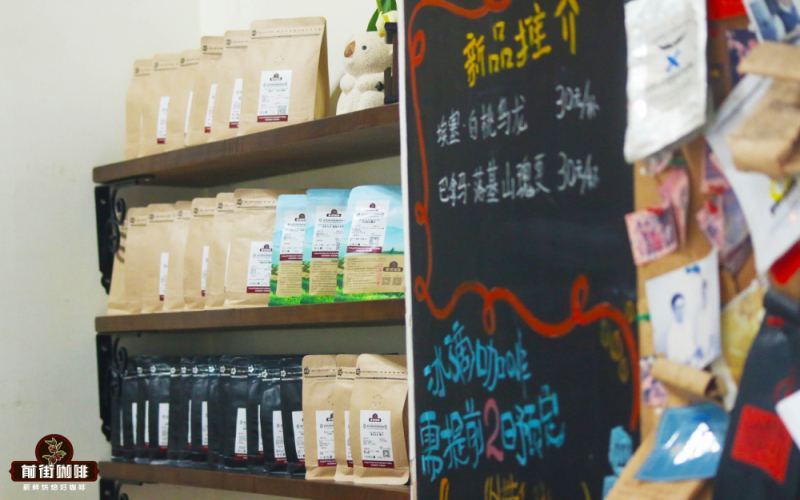
Even different plots within the same estate can produce coffees with distinct flavors, let alone major regions spanning continents. The three great specialty coffee belts—Asia, Africa, and Central & South America—nurture vastly different flavor profile characteristics due to terroir differences: Ethiopia's floral and citrus notes, Indonesia's rich herbal undertones, and Central America's balanced chocolate character, each with its own following. Before deciding to put a coffee on the shelf, Front Street Coffee repeatedly roasts and cups samples from each region, selecting the most representative lots before recommending them to consumers. This article systematically organizes the flavor characteristics and taste descriptions of major coffee-producing countries worldwide, covering Ethiopia and Kenya in Africa; Indonesia and India in Asia; Guatemala, Costa Rica, and Panama in Central America; and Colombia and Brazil in South America, providing coffee lovers with a complete flavor profile reference. [more…]
A Beginner's Guide to Coffee Tasting: From Aroma to Aftertaste, Master the Core Techniques of Flavor Description in Five Steps
Many friends who are just getting into specialty coffee, when faced with a cup, can only say "it's good" or "it tastes like coffee," while those around them can rattle off professional terms like floral notes, fruity acidity, and body. In fact, coffee tasting is not a gift—it is a method that follows a set of rules. Drawing on Front Street's practical experience, this article systematically explains the five key steps of coffee tasting—aroma, taste, flavor, mouthfeel, and aftertaste—to help you build a complete tasting framework, learn to translate sensory experience into precise language, and bid farewell to being at a loss for words, truly understanding every layer of expression in the cup. [more…]
Yirgacheffe Washed vs. Natural Processing Methods: Flavor Profiles, Bean Appearance, Mouthfeel, and Brewing Recommendations
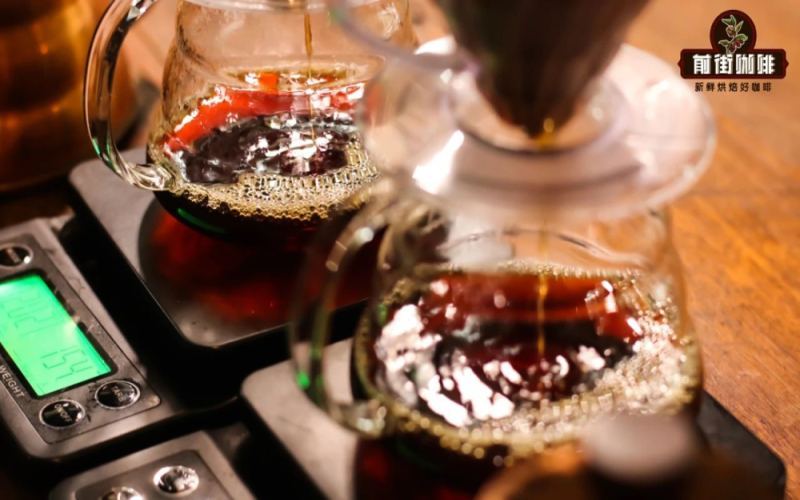
Yirgacheffe, as a representative region for Ethiopian specialty coffee, produces two processing methods—washed and natural—that create completely different flavor profiles. Washed Yirgacheffe is known for its bright citrus acidity, jasmine aroma, and black tea finish, while natural Yirgacheffe presents fermented wine notes, honeyed sweetness, and a full body. This article will comprehensively compare the core differences between these two processing methods, from regional terroir, processing techniques, and grade classification to cup profile differences and optimal brewing parameters, and share the brewing performance of Front Street G1 Yirgacheffe, helping coffee lovers more clearly understand the charm of Yirgacheffe. [more…]
What exactly is coffee balance? From cupping standards to brewing water temperature, even beginners can understand a balanced taste that is neither sour nor bitter
Many people's first reaction when drinking a medium-roast coffee is "this cup is very balanced." But a coffee's sense of balance is far more than simply not standing out in acidity, sweetness, or bitterness. In professional cupping, Balance is a comprehensive indicator measuring the harmony among acidity, sweetness, body, and aftertaste, while also examining the coffee's stable performance from hot to cool. Beans with poor balance may excel in one aspect but have obvious weaknesses; beans with good balance are simply pleasant across the board. Through cupping examples of multiple beans, Front Street breaks down the evaluation logic of balance and recommends several coffees with excellent balance, including Front Street's Bird of Paradise, known as the "Little Blue Mountain." [more…]